Monday, June 17, 2024

Eid al-Adha 2024

In the Islamic calendar, Eid al-Adha falls on the 10th day of the twelfth and final month of Dhu al-Hijja, and celebrations and observances are generally carried forward to the three following days, known as the Tashreeq days. This year, Eid al-Adha falls on June 17.

Eid-ul-Adha, the festival of sacrifice, is traditionally celebrated by sacrificing an animal. It commemorates the act of a father, Prophet Abraham, obeying the diktat of God, who tests his devotion by asking him to sacrifice that which is dearest to him. Abraham prepares to offer his dear son; angel Gabriel intervenes at God's behest, and a goat is sacrificed, instead.

The animal sacrifice is not a propitiatory ritual; the focus is not on animal sacrifice but on the message behind it. The festival is a celebration of the test of faith. It is a celebration of a kind and merciful God who acknowledges man's devotion and obedience.

This Eid also marks the culmination of the rites of Haj, one of the pillars of Islam, which involves a visit to Mecca and re-enacting the events carried out by Prophet Abraham. It marks the end of the Islamic calendar and the beginning of a new year. As they say, every ritual, if performed with imagination and care, enables people to enter a different, timeless dimension. As we celebrate the sacred rituals of our faiths, we must never forget the stories behind them. We should endeavour to abide by all that is good in our faiths. Real sacrifice in these frenetic times when the pursuit of happiness keeps us busy would mean giving a little bit of our time and money for the greater good of society.

Global Garbage Man Day


Global Garbage Man Day is observed on June 17th every year in commemoration of sanitation workers who work hard to keep the environment clean.

Significance

Studies have shown that sanitation work is among the most dangerous and hazardous work.

The foul odours could make workers sick, a broken glass lead to injuries, and inhaling dust may cause respiratory problems.

Medical waste also poses a serious risk to sanitation workers. Despite the dangers, the workers continue their task in order to make the environment safer and more sanitary for us.

History

Global Garbage Man Day was the brainchild of John D. Arwood, the owner of a specialist waste management and portable sanitation firm.

He launched his business in 1997 and then used the internet as a way to expand it.

Several years into his business venture, Arwood realized that there was a dearth of public recognition for the work that his waste disposal staff were doing.

In 2011, he personally funded the first Global Garbage Man Day in 2011 to appreciate the workers in this line.

Global Garbage Man Day was officially renamed Waste and Recycling Workers Week in 2019.


World Day to Combat Desertification and Drought


On June 17th, the world celebrates the World Day to Combat Desertification and Drought. This important day aims to raise awareness about the pressing issue of land degradation and its devastating effects on the environment and communities around the globe.

Recognizing the Challenges

The Rio Earth Summit in 1992 brought global attention to the pressing challenges of desertification, loss of biodiversity, and climate change, recognizing them as significant threats to sustainable development. In response, the United Nations Convention to Combat Desertification (UNCCD) was established in 1994 as a legally binding international agreement linking environment, development, and sustainable land management.

Furthermore, the United Nations Decade for Deserts and the Fight against Desertification (2010-2020) was declared by the UN General Assembly, underscoring the importance of this issue on a global scale.

The Significance of Combating Desertification and Drought

According to the United Nations, “Growing populations coupled with unsustainable production and consumption patterns fuel demand for natural resources, putting excessive pressure on land to the point of degradation. Desertification and drought are driving forced migration, putting tens of millions of people each year at risk of displacement.”

The World Day to Combat Desertification and Drought serves as a powerful reminder to take necessary actions against these pressing issues and reverse the damage inflicted upon our environment. It urges individuals, communities, and nations to unite in their efforts to combat desertification and drought, preserving our land for future generations.

By raising awareness and promoting sustainable land management practices, this day encourages us to protect our land, which is a fundamental resource for human survival and prosperity. It reminds us that the health of our land is intrinsically tied to the well-being of our communities and the planet as a whole.

As we celebrate the World Day to Combat Desertification and Drought, let us renew our commitment to protecting our land, fostering sustainable practices, and leaving a legacy of environmental stewardship for generations to come.


Iceland National Day


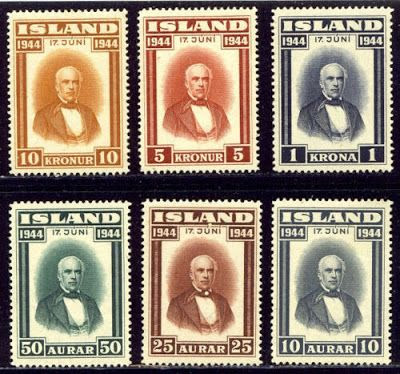
June 17 holds a special place in the hearts of the people in Iceland as the day is filled with cultural festivities and national pride. Its formal name is "Thjodhatidardagurinn" in Icelandic, which translates directly to "the day of the nation's celebration. It commemorates the foundation of The Republic of Iceland on 17 June 1944. This date also marks the end of Iceland's centuries old ties with Denmark. The date was chosen to coincide with the birthday of Jon Sigurdsson, a major figure of Icelandic culture and the leader of the 19th century Icelandic Independence movement.


There is nothing like the joyous spirit of an Independence Day celebration. Parades and flag-waving. Adorable children in national costumes, traditional music, and stirring speeches. From parades to traditional music, the festivities are a testament to the Icelandic people's unwavering spirit and determination to preserve their heritage and independence.

World Crocodile Day


Every year on June 17, World Crocodile Day draws attention to the plight of endangered crocodiles and alligators around the world. It encourages you to learn more about these amazing reptiles.

Crocodiles can easily be confused with alligators, but there are certain differences between the two. The primary difference is the shape of their snouts. Crocodile snouts have a long-pointed shape resembling the letter V, while alligator snouts are more rounded and shaped like the letter U. Additionally, crocodiles are usually much larger than alligators, with an average weight of up to a ton. Crocodiles are also more aggressive, making them more dangerous.

Crocodiles can be found in almost every corner of the world. They originate from both North and South America and are also found in Africa, Australia, and Asia. However, the Florida Everglades is the only place in the world where crocodiles and alligators coexist.

Some facts about crocodiles include their incredibly strong bite, with the strongest bite force among all animals. There are 15 species of crocodiles, and they can live in both freshwater and saltwater. They feed on fish, birds, and other animals, and can live up to 100 years, with the oldest crocodile in the world reaching 140 years.

There is concern that some species of reptiles, including crocodiles, are on the path to extinction due to human activities. Hunting, pollution, and habitat destruction are the main reasons why crocodiles are endangered.

Every year, zoos around the world participate in World Crocodile Day. Activities in zoos include talks about crocodiles, crocodile exhibitions, face painting, arts and crafts, crocodile feeding, educational seminars, and photography.

Other ways to participate in World Crocodile Day include visiting a crocodile exhibition in your local zoo, learning about the threats faced by crocodiles in the wild, donating to organizations that protect crocodiles, watching online videos about these majestic creatures, reading books about crocodiles to children, and sharing the day on social media with the hashtag #WorldCrocDay.


Sunday, June 16, 2024

World Sea Turtle Day


World Sea Turtle Day observed on June 16 is an important day for marine conservation enthusiasts and sea turtle lovers around the world. This day is dedicated to celebrating and bringing awareness to the plight of sea turtles globally. These creatures are beautiful, and they deserve our admiration and protection. On June 16th, let us pay tribute to these mesmerizing animals and remind ourselves of the important role we play in their survival.

Species of Sea Turtle:

  • Leatherback sea turtle
  • Green sea turtles
  • Hawksbill sea turtle
  • Loggerhead sea turtle
  • Olive ridley sea turtle
  • Kemps ridley sea turtle
  • Flatback sea turtle

Sea turtles are endangered species

Sea turtles are truly magnificent creatures. Swimming gracefully through the ocean, their sleek and smooth bodies fill us with awe. Despite being here for millions of years, these animals face an uncertain future, threatened by human impact on their habitat. World Sea Turtle Day reminds us to appreciate their inherent value, to respect their habitat, and to work towards their conservation.

Dr Archie Carr - pioneer of sea turtle conservation

One of the significant figures of the sea turtle conservation movement was Dr. Archie Carr. This renowned biologist dedicated his life to studying and protecting sea turtles, raising awareness of threats to their survival. The Sea Turtle Conservancy, founded in 1959, continues to carry out his legacy and bring attention to the many perils these animals face. Dr Carr was a pioneer in the effort to protect our environment. He wrote several influential books, such as The Windward Road and So Shall You Reap, which highlighted the importance of conservation and its effects on animals and habitats. His advocacy for turtles is particularly notable; he frequently made trips to Tortuguero National Park to observe sea turtle nesting sites and educate locals about conservation efforts. He also led public awareness campaigns alongside his wife Marjorie Carr, who later became a leader in the environmental movement. In recognition of his work, he was awarded the prestigious Daniel Giraud Elliot Medal by the National Academy of Sciences in 1952. Dr Carr's dedication to protecting our planet continues to serve as an example for future generations of environmentalists.

Top places to see sea turtles:

  Great Barrier Reef, Australia

  Bunaken Marine Park, Indonesia

  Turtle Islands, Philippines & Malaysia

  Gili Islands, Indonesia

  Tioman Island, Malaysia

  Lhaviyani Atoll, Maldives

  Laniakea Beach, Hawaii

  Yucatan Peninsula, Mexico

  Tortuguero, Costa Rica

  Galapagos Islands, Ecuador

  Marsa Alam, Egypt

  Sipadan, Malaysia


Ways to protect sea turtles

Sea turtles play a vital role in ocean ecosystems and have a strong cultural significance to many coastal indigenous communities. However, their populations have been rapidly declining due to climate change, habitat disturbance, and direct exploitation. We all have a shared responsibility to protect sea turtles, especially because we depend on a healthy ocean for our survival. This is a reminder that we must act with urgency to protect these animals and their fragile habitats.

Do our bid:

  • Fight plastic pollution by reducing plastic use
  • Increase awareness by organising trips to see them
  • Never buy souvenirs made out of turtle shells
  • Don't buy fish caught in the process of trawling - use sustainable sources only
  • Use ocean friendly product such as eco sunscreen cream

A unique aspect of sea turtles that sets them apart from other marine creatures is their immense perseverance and resiliency. It is a testament to their character that they have been able to survive and thrive for millions of years. Other marine animals have come and gone, and yet sea turtles continue to exist. That's why it's so important to celebrate World Sea Turtle Day – we must remember and appreciate how magnificent these creatures are and how much they enrich our world of scuba diving.


International Waterfall Day


Waterfalls are among the most amazing natural sights in the world, so it is not surprising that there is a holiday celebrating them. International Waterfall Day is observed annually on June 16.

The term “waterfall” typically refers to a point in a river or stream where water flows over a steep drop that is vertical or almost vertical. Waterfalls usually form in the upper course of a river where the river flows over a stretch of hard rock such as granite and then falls on to softer rock like limestone: the soft rock is more susceptible to erosion, which leads to an increasingly high fall. This is the most common way of waterfall formation, but not the only one.

No two waterfalls in the world are exactly the same, but they can be roughly divided into types based on their shape. The most common waterfall types are ledge (further divided into subtypes: classical, curtain and block/sheet/rectangular), plunge, horsetail, punchbowl, tiered (staircase, multi-step), segmented, cascade, and cataract. The so-called ephemeral waterfalls are different from other waterfalls in that they only flow after a significant snowmelt or rain.

The exact number of waterfalls in the world is unknown, but there are thousands of them. The World Waterfall Database was established in 2002 to provide an accurate record of the world’s waterfalls, but even now, more than two decades later, it is far from being complete and lacks information about a lot of countries.

Niagara Falls on the border of Canada and the United States is arguably the world’s most famous waterfall, but it’s not the tallest, largest, or most powerful one. The world’s tallest uninterrupted waterfall is Angel Falls in Venezuela; it has a height of 3,212 feet and a plunge of 2,648 feet. The world’s widest waterfall (6.7 miles or 35,376 feet) is the Khone Phapheng Falls in Laos.


Other famous and notable waterfalls include Victoria Falls in Zimbabwe and Zambia, Yosemite Falls in the United States, Gullfoss in Iceland, Plitvice Falls in Croatia, Sutherland Falls and Browne Falls in

New Zealand, Rhine Falls in Switzerland, Tugela Falls in South Africa, Igazu Falls on the border of Argentina and Brazil, Kaieteur Falls in Guyana, Kunchikal Falls in India, Bigar Cascade Falls in Romania, and many more.


Waterfalls have a symbolic meaning and play an important role in many cultures, so it is not surprising that someone decided to celebrate them. International Waterfall Day was launched in 2020 by a man named Bob Matthews from Rochester, New York. Bob and his wife love waterfalls and check them out wherever they go. The couple came up with the idea of celebrating a holiday dedicated to waterfalls during the COVID-19 lockdown, when they were stuck at home and couldn’t take trips to see waterfalls.

There are many ways to celebrate International Waterfall Day. You can learn more about the world’s highest, widest, largest, and most spectacular waterfalls, take or at least plan a trip to a waterfall, and spread the word about the holiday with the hashtags #InternationalWaterfallDay and #WaterfallDay to encourage others to admire the beauty of waterfalls.

International Geodiversity Day

  International Geodiversity Day is celebrated worldwide on October 6. Proclaimed by UNESCO in 2021 at its 41st General Conference, this an...